Texas Agriculture Trends in 2026: What Farmers, Ranchers, and Landowners Need to Know
Texas agriculture continues to evolve in 2026 as producers across the state adapt to drought conditions, rising operational costs, changing commodity markets, and increasing demand for efficient land management. From the High Plains to South Texas and the Hill Country, today’s agricultural landscape is being shaped by water availability, regenerative practices, cattle market shifts, and technology-driven farming operations.
As the largest agricultural state in the nation by acreage and number of farms, Texas remains one of the most influential agricultural economies in the country. The state currently has more than 230,000 farms and ranches covering over 125 million acres.
For landowners, producers, and agricultural investors, understanding these Texas agriculture trends is becoming increasingly important when evaluating farm productivity, land values, and long-term operational sustainability.
Texas Agriculture Remains a Major Economic Driver
Agriculture remains deeply tied to the Texas economy, generating billions annually through cattle production, cotton, hay, grains, poultry, and specialty crops. Texas continues to lead the nation in cattle production while maintaining strong positions in cotton, sheep, goat, and hay markets.
One of the biggest shifts occurring in 2026 is the increased value being placed on productive agricultural land with dependable infrastructure. Buyers and operators are prioritizing properties with:
- Reliable water sources
- Existing fencing and working facilities
- Improved grazing systems
- Irrigation capabilities
- Functional road access
- Proximity to regional markets
Across Central Texas and South Texas, agricultural land is increasingly viewed as both an operational asset and a long-term investment vehicle.
Drought and Water Management Continue to Shape Texas Farming
Water remains one of the most important topics in Texas agriculture entering 2026. Persistent drought conditions across portions of West Texas, the Panhandle, and South Texas are forcing producers to make more strategic decisions regarding irrigation, stocking rates, and crop selection.
Texas producers are increasingly investing in:
- Drip irrigation systems
- LEPA irrigation technology
- Soil moisture monitoring
- Drought-resistant forage varieties
- Water storage infrastructure
- Grazing rotations designed to preserve ground cover
At the same time, statewide population growth and industrial expansion are putting additional pressure on rural water resources. Texas officials estimate the state will require substantial long-term water infrastructure investment over the next several decades to meet growing demand.
For Texas ranch real estate buyers, water infrastructure has become one of the most valuable components influencing property value and long-term usability.
Regenerative Agriculture Is Expanding Across Texas
Regenerative agriculture continues gaining traction throughout Texas as producers look for ways to improve soil health, reduce input costs, and increase drought resilience.
In many regions of Texas, ranchers and farmers are implementing practices such as:
- Rotational grazing
- Cover cropping
- Reduced tillage
- Native grass restoration
- Multi-species grazing systems
- Soil-focused fertility programs
These practices are designed to improve moisture retention, reduce erosion, and strengthen forage production over time. Several studies and industry reports indicate growing investment in regenerative systems worldwide as producers prioritize sustainability and operational efficiency.
Texas ranchers are also increasingly recognizing the economic advantages tied to healthier soils and more resilient grazing systems, especially during prolonged drought periods.
Cattle Markets Are Driving Ranch Demand
Texas cattle operations remain a major force within the agricultural economy, and current market conditions are creating both opportunity and pressure for ranchers.
The U.S. cattle herd is currently at some of its lowest levels in decades due to years of drought, elevated feed costs, and herd liquidation. As a result, beef prices have climbed significantly entering 2026.
This trend has increased demand for productive grazing ranches across Texas, particularly properties offering:
- Improved pastures
- Reliable water distribution
- Working pens and facilities
- Hay production capabilities
- Supplemental income opportunities
In regions like South Texas and Central Texas, well-managed cattle properties continue attracting both operators and investors looking for long-term agricultural assets.
Technology and Precision Agriculture Are Becoming Standard
Technology adoption is accelerating across Texas agriculture as producers seek to improve efficiency and reduce operating costs.
Precision agriculture tools are increasingly being used for:
- Crop monitoring
- Soil analysis
- Grazing management
- Irrigation scheduling
- Yield forecasting
- Equipment tracking
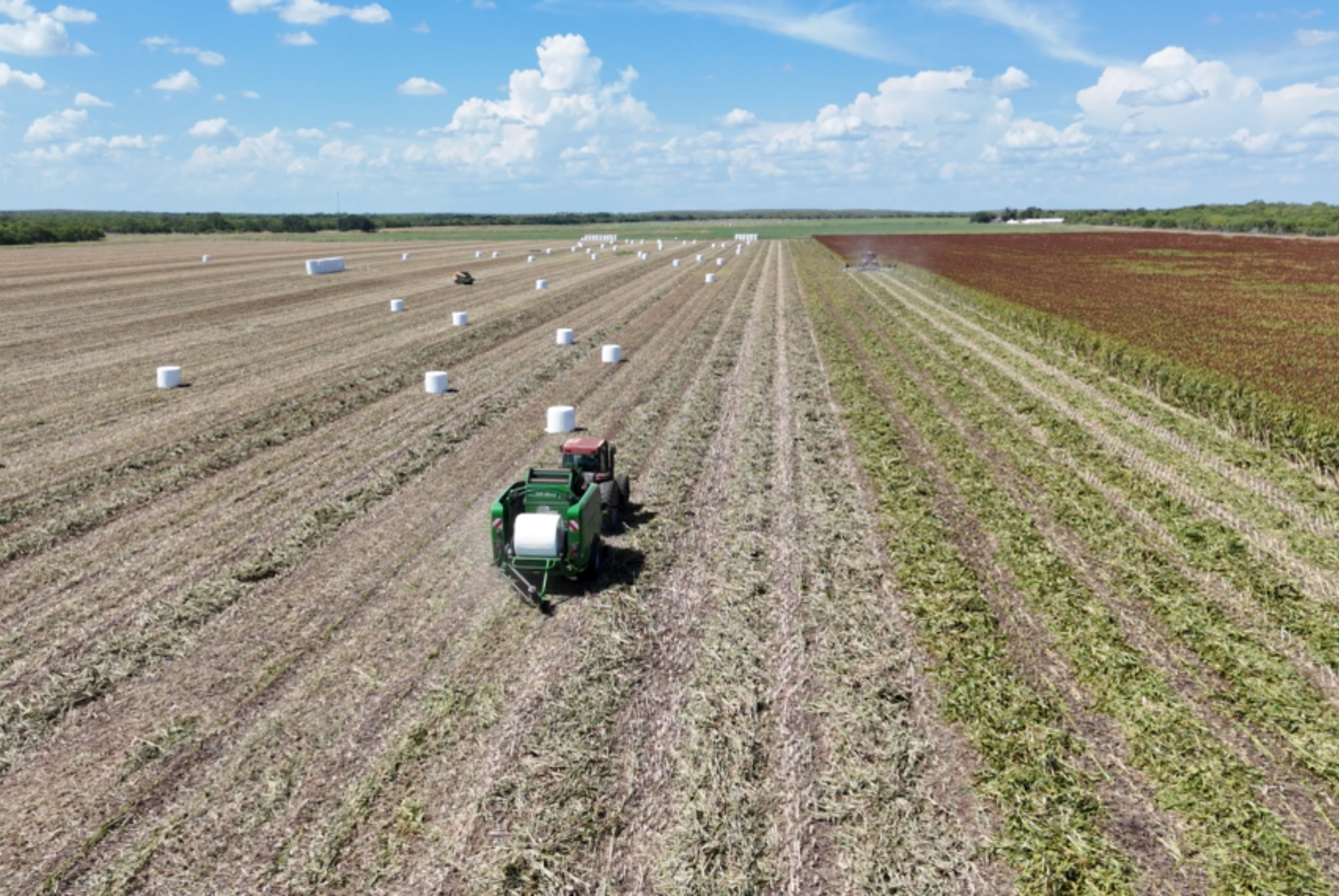
Drone usage has also expanded significantly across Texas farms and ranches, helping producers monitor forage conditions, evaluate fencing, inspect water infrastructure, and assess crop health more efficiently.
Larger operations are beginning to adopt autonomous and AI-driven technologies, while smaller producers are increasingly utilizing affordable digital platforms to improve decision-making and operational planning.
Texas Farmland Values Continue to Strengthen
Demand for Texas agricultural land remains strong in 2026, especially in regions experiencing population growth and increased recreational demand.
Areas surrounding Austin, San Antonio, Fort Worth, and parts of the Hill Country continue seeing upward pressure on rural land values due to:
- Urban expansion
- Lifestyle buyers
- Recreational ranch demand
- Long-term investment interest
- Limited inventory
Properties offering a blend of agricultural productivity and recreational appeal remain some of the most sought-after assets in the Texas land market.
This includes ranches featuring:
- Live water
- Wildlife habitat
- Hunting opportunities
- Productive grazing land
- Existing improvements
- Easy access to major metropolitan areas
In many cases, buyers are seeking multi-use ranches capable of supporting cattle operations while also functioning as recreational or legacy properties.
The Future of Texas Agriculture
Texas agriculture in 2026 is defined by adaptation, efficiency, and long-term land stewardship. Producers are navigating weather volatility, rising costs, and evolving markets while continuing to improve operational sustainability and land productivity.
Whether through regenerative grazing systems, precision farming technology, or strategic water management, Texas farmers and ranchers are continuing to position themselves for long-term success in an increasingly competitive agricultural environment.
For agricultural landowners and buyers, understanding these trends is essential when evaluating farm and ranch opportunities across Texas.
Conclusion
Texas agriculture remains one of the strongest and most influential industries in the state, but the landscape is changing rapidly. Water availability, cattle markets, regenerative practices, and precision agriculture are all shaping the future of farming and ranching across Texas.
As demand for productive agricultural land continues to rise, properties with strong infrastructure, dependable water, and operational versatility are becoming increasingly valuable throughout the state.
For buyers, investors, and producers alike, staying ahead of Texas agriculture trends in 2026 will play a major role in long-term success across the farm and ranch market.